
Moving into any new space brings excitement, but homes with basements or attics add extra layers of possibility. These areas provide space for storage, hobbies, or major home improvements. Still, they come with challenges that many people overlook until move-in day.
Working with experienced residential moving companies helps you handle tight corners, tricky stairs, and the unique conditions these spaces often have. With a bit of planning, your transition feels smoother and far less stressful.
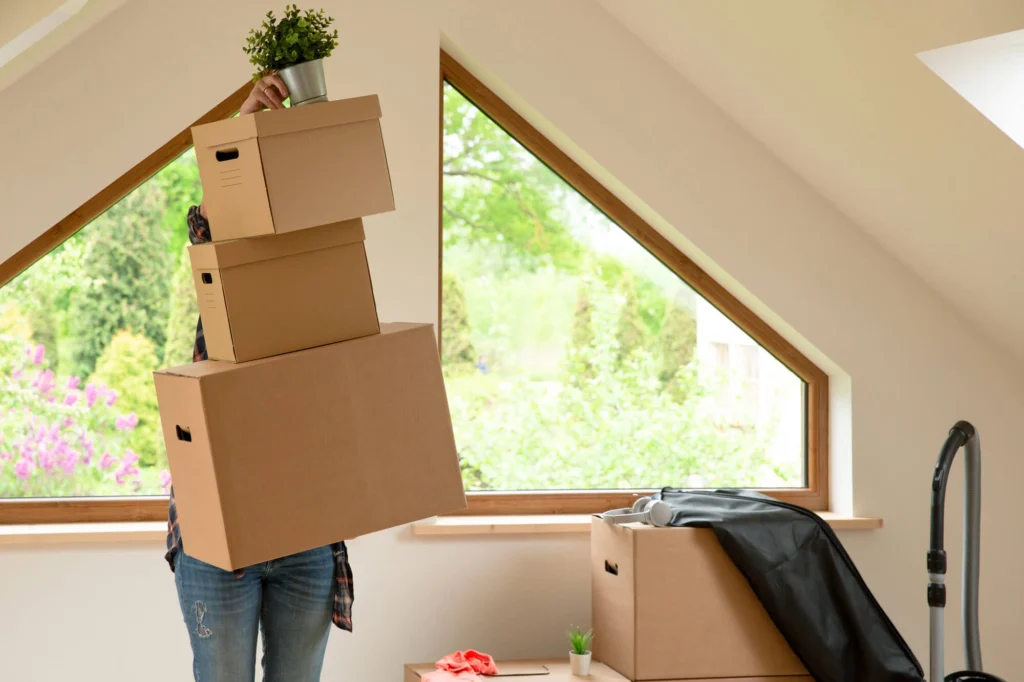
Understanding the Space Before Moving In
1. Measure Doorways, Stairwells, and Angles
Basements and attics often have narrow entry points or tight staircases. Before movers arrive, take careful measurements of doorframes, hallways, and ceiling height. Compare those measurements to the furniture you plan to move. A tall dresser or sectional sofa might not angle around a turn. Planning ahead prevents the frustration of discovering that something won’t fit after it’s already carried halfway down the stairs.
2. Inspect for Safety Hazards
Older basements and attics sometimes come with loose steps, uneven floors, exposed nails, or low ceilings. Walk through the area with strong lighting and inspect for any unsafe conditions. Make sure steps are stable and dry. Look for loose boards or hanging wires. Your movers and your household will be moving through this space often, so the safer it is, the better the entire process goes.
3. Evaluate Temperature and Moisture Levels
Attics tend to be hot, while basements tend to be damp. That combination can damage certain belongings. Humidity in basements can warp wood or ruin cardboard boxes. Heat in attics can damage or destroy electronics and melt sensitive materials. Check for signs of moisture or leaking. If needed, plan to use dehumidifiers, moisture barriers, or small fans to maintain a balanced environment before storing items for an extended period.
Preparing Items for Basement or Attic Storage
1. Decide What Belongs in These Areas
Not every item handles heat, cold, or humidity well. Seasonal décor, luggage, tools, outdoor gear, and well-sealed keepsakes usually store fine. Avoid storing artwork, photos, electronics, musical instruments, or any other items that are sensitive to temperature fluctuations. Treat your basement or attic as a semi-controlled space, rather than a climate-controlled storage area.
2. Use Appropriate Containers
Plastic bins work best for basements because they resist moisture. In attics, breathable or ventilated containers reduce trapped heat. Clear bins help you locate items quickly without having to dig. Label each bin with the corresponding room or category name. Strong labels save you hours later when it’s time to retrieve holiday decorations or old files.
3. Prepare Bulky Furniture Thoughtfully
Larger furniture might need partial disassembly to fit upstairs or downstairs. Remove legs, doors, or shelves whenever possible. Wrap wood furniture with padded blankets, then seal with plastic wrap to shield against moisture or dust. Secure loose hardware in small bags taped directly to the furniture piece so nothing gets lost in transit.
Preparing the Basement or Attic Before Move Day
1. Clean and Clear the Area Ahead of Time
Basements and attics collect dust, cobwebs, and debris. A quick cleanup gives movers room to work and reduces the amount of dirt that gets tracked around your new home. Empty out forgotten items left behind, sweep the floor, and wipe down surfaces.
2. Check Lighting and Pathways
Good lighting is essential, especially in basements. Dark corners or dim stairwells increase the risk of trips and falls. Add temporary lamps or battery-powered work lights if needed. Clear pathways leading from the main door to the basement or attic enable movers to maneuver large boxes and heavy items easily.
3. Protect Floors and Walls
Narrow staircases and exposed corners take a beating on moving day. Lay down cardboard sheets, carpet scraps, or drop cloths to shield the flooring. Foam corner guards help prevent wall scuffs. Protective materials make a significant difference in keeping your new home looking fresh from the very first day.
Moving Items Into the Space Safely
1. Take Your Time with Heavy or Bulky Items
Basements and attics often have tight spaces. Handle large furniture carefully to avoid damage or injury. Move slowly when going down steep stairs or around sharp corners. Use teamwork for heavy items. Two or three people lifting a big piece is safer than doing it alone. Taking slow steps helps prevent drops, dents, and scratches on walls.
2. Use the Right Moving Tools
Tools make a big difference in tight spaces. Dollies help move heavy boxes. Lifting straps support awkward furniture or appliances. Sliders make it easier to move items on hard floors. Rubber-tread shoes give you better stability on slippery or steep staircases. Small investments in these tools create smoother and safer loading conditions.
3. Organize the Space as You Go
Instead of stacking items in one corner, put boxes and furniture in specific areas. Keep walkways clear for easy access later. Store light or seasonal items in the back, and keep frequently used items near the entrance. Organizing your unloading can help reduce clutter and facilitate a smoother transition into your new home.
Protecting Items After the Move
1. Monitor Temperature and Moisture
Basements and attics change with the seasons. Check humidity levels regularly, especially after heavy rain or big temperature changes. If the basement feels damp, use a dehumidifier. If the attic becomes too hot, consider improving the ventilation. Even small adjustments can help protect the items you store in these areas.
2. Keep Items Raised Off the Floor
Basements often leak or flood. To prevent damage, keep boxes off the ground. Use shelving units, pallets, or wall-mounted racks. For heavier items, use stands or bricks to lift them slightly. Elevating your things can help avoid major losses during unexpected water problems.
3. Do Seasonal Cleanouts
Clean your basement and attic regularly to keep them organized. Since these areas tend to collect dust and are often overlooked, seasonal cleanouts are essential. Rotate stored items, check for pests, and discard items you no longer need. This simple upkeep helps prevent clutter and keeps your space safe and usable.

Experienced Residential Moving Companies Make Everything Easier!
If you’d like help getting everything moved safely and efficiently, contact Pink Zebra Moving to schedule your move and enjoy support from a team that knows how to handle every unique space with care.