
Loading day can turn stressful fast when walls get scraped, floors get scuffed, or furniture corners take unexpected hits. These damages are common because moving involves tight turns, heavy lifting, and bulky items that don’t always cooperate.
Teams that handle loading and unloading services use precise techniques to prevent these issues, protect your home, and make the moving process smoother. With the right prep and a few smart strategies, you can safeguard your home and belongings while keeping moving day stress-free.
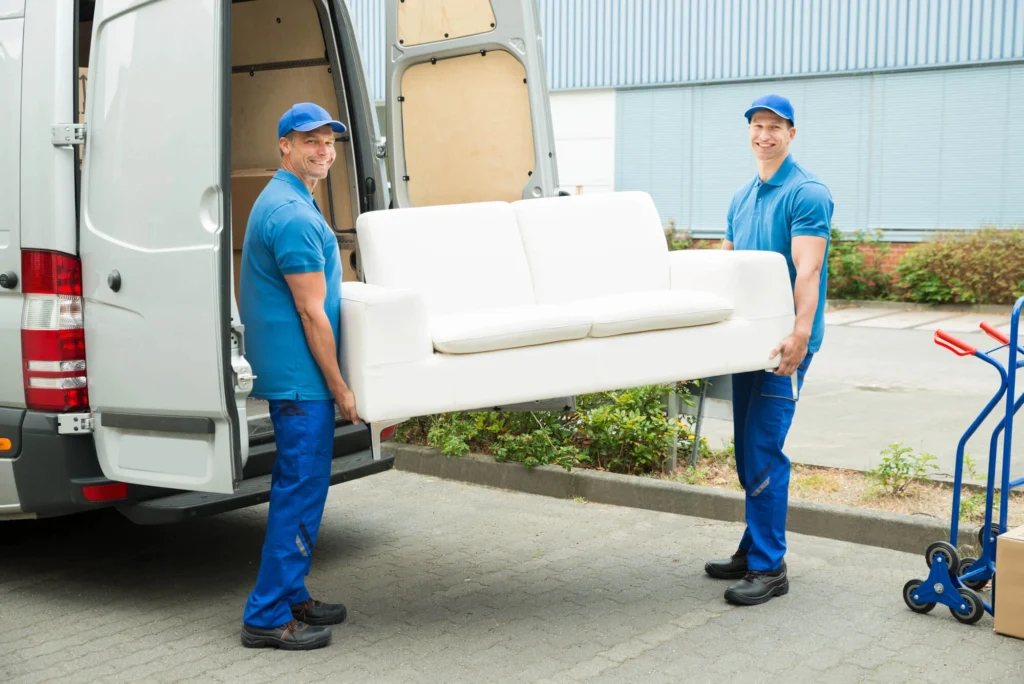
Preparing Your Home for a Damage-Free Loading Day
1. Clear Pathways Before Movers Arrive
The first step in preventing damage is creating wide, clutter-free pathways. Boxes, loose shoes, lingering décor, and small furniture pieces all become hazards. Blocking even a small corner forces movers to angle furniture in awkward ways, which increases the chance of dents or wall scrapes.
Walk the entire path from room to exit and remove anything that could snag, drag, or cause someone to shift their grip. A clear path gives movers room to maneuver safely.
2. Protect High-Risk Areas Ahead of Time
Certain parts of the home, such as door frames, wall corners, and stair rails, are more susceptible to damage. These areas are situated directly in the path of large furniture and heavy boxes. Cover vulnerable points with towels, cardboard, moving blankets, or foam protectors. Even simple padding absorbs bumps and pressure from bulky items.
Hallway walls also benefit from temporary protection, especially if your home has tight turns. People offering loading and unloading services always prep these areas first because it drastically reduces the chance of scrapes.
3. Lay Down Floor Protection
Floors take a beating during moves. Dirt, dragged boxes, sharp edges, and heavy foot traffic all create damage risks. Use floor runners, cardboard sheets, or drop cloths to shield the flooring from scratches and dents.
Hardwoods benefit from taped-down runners, while carpets stay cleaner with plastic carpet film. For stairs, anti-slip mats prevent wear and tear from making the steps slippery or stretching the carpeting. A little prep keeps your flooring looking fresh long after move day ends.
Protecting Furniture While Moving It Out
1. Wrap Furniture to Prevent Dents and Chips
Furniture dents happen when items bump walls, door frames, or each other. Protecting your pieces with padded blankets or bubble wrap reduces impact. Wrap table legs, couch arms, dresser corners, and bed frames.
Protective wrapping also helps movers hold items more securely, reducing the risk of slips and accidents. Professionals wrap everything before lifting because unprotected edges are the first to get dinged.
2. Disassemble Bulky Pieces When Possible
Large furniture often causes the worst damage because its size limits control. Disassembling bed frames, tables, or bookshelves makes them easier to navigate through hallways and tight spaces.
Remove legs, doors, or drawers before attempting to move big items. Smaller pieces reduce the risk of hitting walls and improve safety for everyone involved.
3. Use Proper Moving Tools
Dollies, sliders, straps, and lifting harnesses help movers control weight and maneuver items more smoothly. Without tools, people often rely on brute force, which can lead to missteps and accidental bumps.
Sliders help furniture glide across floors instead of dragging. A dolly stabilizes the weight so movers don’t lose balance. Tools make moving safer and reduce pressure on walls and floors.
Techniques That Reduce Damage Risks
1. Communicate the Plan Before Moving Begins
Talk through how heavy or delicate items will exit the home. Share concerns about tight doorways or tricky corners. A shared plan keeps movers coordinated and aware of sensitive areas.
2. Move Large Items First
Large furniture pieces should be moved before smaller items or boxes. Boxes clutter pathways and create obstacles that cause accidental bumps. Large items require more space and necessitate full access to exits. Handling them early protects your home and sets the tone for a smoother loading day.
3. Use a Team Lift for Awkward Items
Tall, bulky, or unwieldy furniture often requires more than one person to move. A team lift improves stability and helps movers keep balance through turns and doorways. Coordinated lifting reduces the risk of sudden shifts that lead to wall or floor damage.
4. Keep Doors Open and Secured
Door handles, hinges, and stopper hardware can scrape furniture or fingers if doors swing unexpectedly. Keeping doors propped open creates a smooth entry and exit path. It also eliminates the need to juggle both a door and heavy furniture at the same time.
Use doorstops, wedges, or simple rolled towels to keep doors stable. When nothing shifts suddenly, movers maintain control and reduce accidental impact.
5. Protect Walls With Moving Blankets or Foam Panels
If you have narrow hallways, stairwells, or sharp turns, extra padding on the walls is essential. A single misjudged angle can leave a gouge or mark that’s expensive to fix.
Attach moving blankets with painter’s tape or place foam insulation boards along tight areas. These materials absorb force and protect both your walls and the movers from avoidable collisions.
6. Angle Furniture Correctly Through Tight Spaces
Furniture rarely moves in a straight line. Sofas, tables, and bookcases require tilting, turning, and rotating through doorways. Many people rush this step and scrape surfaces as they push items through. Focus on slow, controlled movement.
Lift furniture slightly instead of letting it drag along walls. Team members should communicate clearly to guide the angles. Smooth coordination prevents dents and scratches.
Preventing Floor Damage While Loading
1. Lift Instead of Slide When Possible
Dragging heavy items causes deep scratches, even on durable floors. When lifting isn’t possible, sliders or furniture pads reduce friction and protect the surface. These simple tools glide furniture across floors without leaving marks. Use them under dressers, couches, and tables. They also save energy, making the move easier on your body.
2. Wipe Shoes Before Entering
Shoes track in dirt, rocks, and moisture—each capable of scratching hardwood or staining carpet. Set up a shoe-cleaning station near the entrance with towels or mats. If the weather is wet, lay down extra protection. Clean shoes keep floors safe and reduce cleanup time after loading is done.
3. Keep Walkways Dry
Moisture increases the risk of slipping. A trip or slip while carrying furniture often leads to wall dents, floor cracks, or personal injury. Keep towels and rags ready in case water accumulates. Dry floors help movers maintain a stable footing and reduce accidents.
Smart Strategies for Smooth Loading
1. Work From the Back of the Home to the Front
Packing and loading work best when done in a structured order. Clearing rooms from the deepest to the nearest helps movers maintain direction and minimize confusion. This approach also reduces the number of times movers walk past fragile décor or freshly painted walls.
2. Keep Kids and Pets Safely Out of the Way
Children and pets create unexpected obstacles. Excited pets weave between boxes. Kids may follow movers, unaware of safety concerns. Keeping them in a secure room or a supervised area prevents accidents and maintains a steady flow.
3. Check for Damage as You Go
If you notice a small mark or scratch, addressing it immediately can prevent a bigger issue later. Quick fixes, such as touch-up paint, a wipe-down, or adjusting padding, maintain control of the environment. Early intervention keeps damage from spiraling.
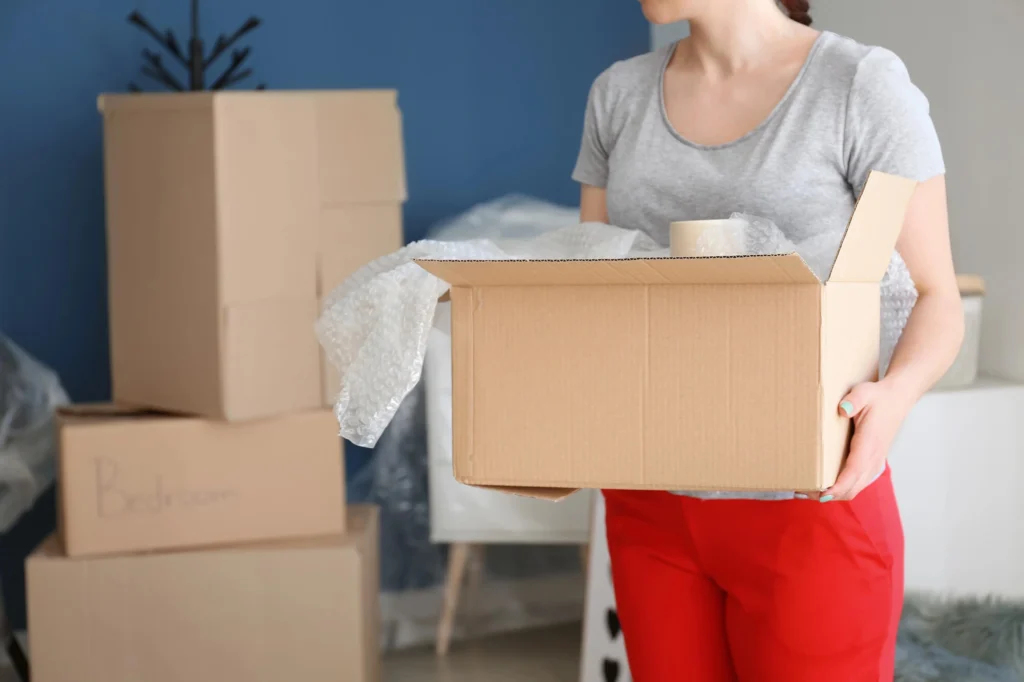
Why Professional Support Matters for Loading and Unloading Services
Protecting your home during a move takes planning, patience, and the right techniques. Smooth loading depends on clear pathways, protective padding, proper tools, and coordinated movement.
The teams that specialize in loading and unloading services use proven methods to prevent scuffs, scratches, dents, and costly repairs. When your home is protected, moving feels smoother, safer, and far less stressful.
If you want help keeping your walls, floors, and furniture damage-free on moving day, reach out to Pink Zebra Moving. Our trained team handles every item with care, ensuring your home stays protected from the first lift to the final load.