
Lizards have tough skin, but they’re one of the most delicate pets you can have. Even small changes in temperature, light, or handling can cause serious health issues. Moving moves, consequently, are no easy feat for them, even if you have expert movers in Charlotte, NC, helping you.
Whether you’re relocating across Charlotte or moving long-distance, these expert tips will help you protect your pet lizard and ensure a smooth, worry-free transition.
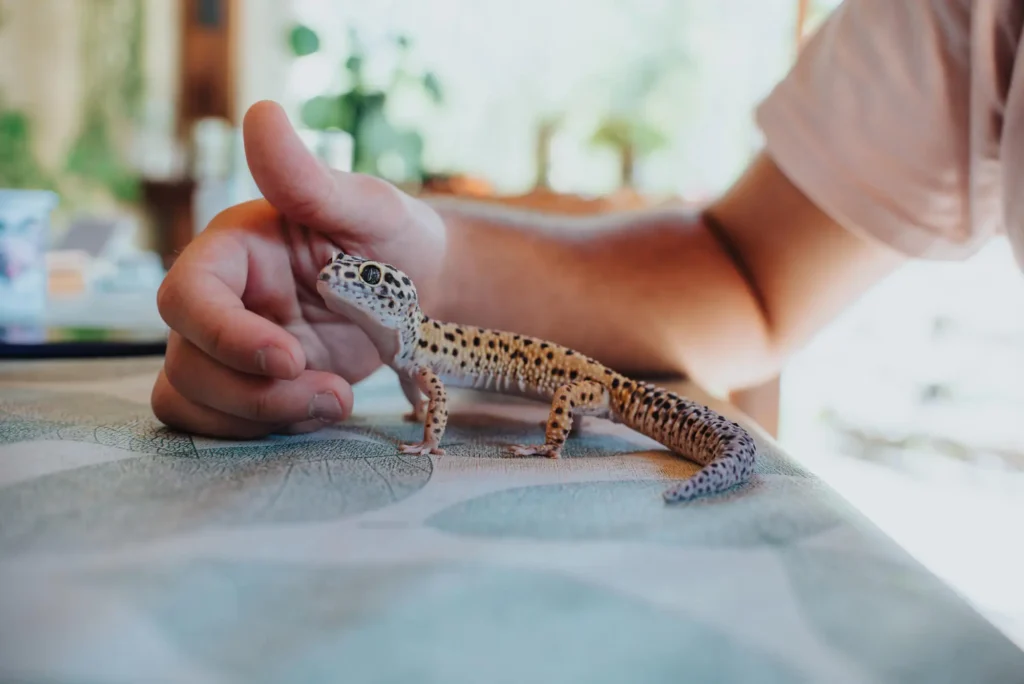
Why Moving Is Risky for Lizards
Unlike cats and dogs, lizards rely solely on external heat sources to maintain their body temperature. Exposure to cold air, overheating, or prolonged periods without adequate lighting during a move can quickly lead to stress or illness. That is why reptile moves necessitate more planning than standard pet relocations.
The main goal is to control the temperature throughout the process, reduce handling, and shorten travel time.
Set Your Lizard Up for Success During a Move
Schedule a Vet Check
If your lizard shows signs of stress, weight loss, or illness, a quick visit to the vet before moving can give you peace of mind. You can ask your vet about hydration tips and recommended travel temperatures for your specific species.
Research Local Regulations
Some cities and apartment complexes prohibit exotic pets. Confirm that your new Charlotte home allows lizards and that no permits are required.
Prepare a “Move-Day Habitat”
Your goal is not comfort—it’s stability. Prepare a temporary travel enclosure that’s:
- Secure and well-ventilated
- Small enough to prevent sliding
- Easy to temperature-control
Additionally, line it with paper towels or reptile carpet (avoid loose substrate).
Pack and Transport Your Lizard Safely
Never place a reptile on a moving truck. Items may be exposed to extreme heat or cold, and vibrations can cause injury. Your pet should travel with you—in your car—where you can monitor conditions.
When transporting your pet lizard, temperature is everything. Ensure that you’re:
- Using insulated containers or coolers with air holes
- Adding heat packs outside the enclosure if needed (never direct contact)
- Keeping the carrier away from windows, AC vents, and drafts
- Aiming to keep temperatures within your lizard’s normal daytime range.
Additionally, skip feeding on moving day. Most lizards can safely skip feeding for 24 hours. Traveling on a full stomach can increase stress and the risk of regurgitation.
Upon Arrival, Re-Create Familiar Conditions Fast
Upon arrival, assemble your lizard’s enclosure first, before unpacking any furniture. Set:
- Correct heat source and basking temperature
- UVB lighting was installed immediately
- Familiar hides and decor to reduce stress
The faster their environment feels “normal,” the faster they’ll recover.
It’s normal if your lizard hides or refuses food for a day or two. Avoid unnecessary handling and let them adjust at their own pace.

A Calm Move Is a Safe Move: Get Help from Movers in Charlotte, NC
Moving with a pet lizard doesn’t have to be risky. Control the temperature, limit handling, and plan your move so your pet’s enclosure is ready first—not last. All of these precautions will help your dear pet be more comfortable.
Additionally, consider hiring helpful movers like Pink Zebra Moving. Less stress translates to fewer risks. Find a location near you and reach out!