
Packing an entire house for a move can feel overwhelming—boxes everywhere, tape stuck to your fingers, and endless lists of things to do. But it doesn’t have to be that chaotic! With the right packing strategy, you can tackle the process one room at a time, making it more manageable and less stressful.
When you break it down into smaller tasks, it’s easier to see your progress and get things done efficiently. Whether you’re moving across the street or across the country, this room-by-room strategy is a simple but effective approach that everyday movers rely on.
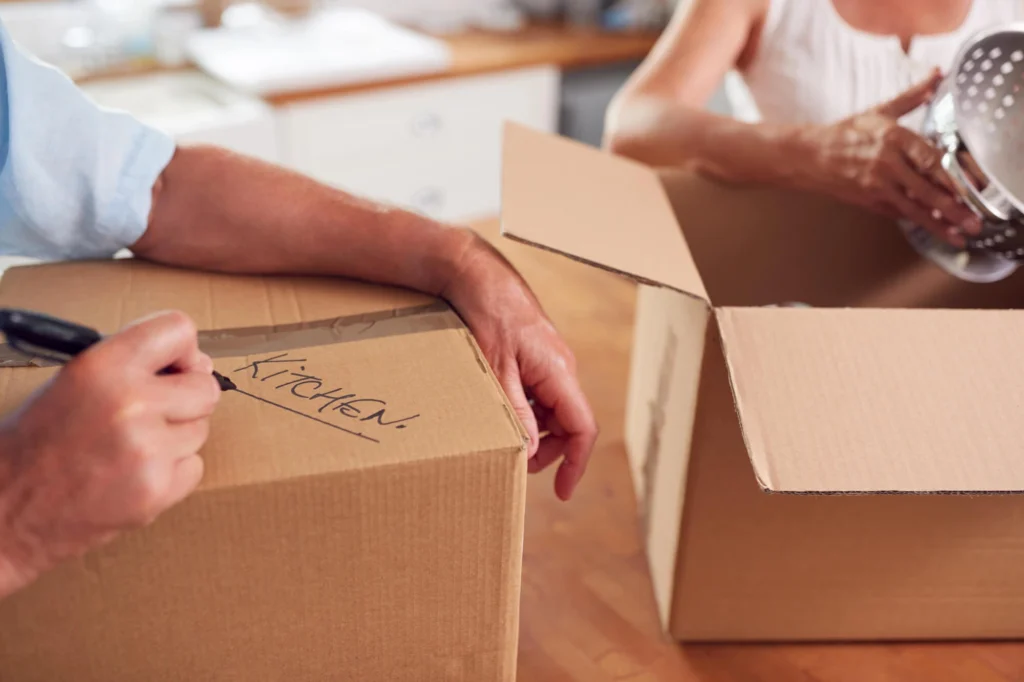
How to Tackle Each Room Without Panic and Frustration
1. Start with the Least-Used Rooms
Think Attics, Basements, and Garages
The best place to start packing is the room you use the least. For most people, that’s the attic, basement, or garage. These spaces are typically filled with things you don’t use every day—holiday decorations, old furniture, sports equipment, and seasonal items. Since you won’t need to access these items for a while, it makes sense to pack them up first.
Start by sorting through what you want to take with you and what can be donated or discarded. The less you bring, the less you have to pack. As you pack, make sure to clearly label each box with the room it’s going to in the new house and what’s inside. This step prevents unnecessary unpacking and searching once you arrive.
Take Your Time with Books, Tools, and Old Collections
For the basement or garage, focus on boxes or bins for tools, books, and old collections that might be bulky or difficult to move. Use smaller boxes for heavier items like books and larger bins for lighter items like clothes or old decorations. And remember, if the weather permits, it’s easier to store these in your vehicle or garage until moving day.
2. Tackle Bedrooms and Closets
Begin with Seasonal Clothing
Once the storage areas are packed, move on to the bedrooms and closets. Start by sorting through your clothing. The key here is to tackle the off-season items first—winter coats during the summer or summer clothes when it’s winter. These can be packed into boxes or bags, depending on their bulk.
Afterward, work through the rest of your clothes. The general rule is to pack items you wear less frequently (like dress clothes or seasonal items) first. Keep out essentials like your daily outfits and pajamas until the final days before the move.
Packing Shoes, Accessories, and Fragile Items
Shoes, hats, and accessories often get tossed together last minute, but this can lead to broken items or crushed shoes. For packing shoes, use their original boxes if you have them or pack them in sturdy shoe boxes. If you don’t have boxes, fill the shoes with socks or tissue paper to keep them from losing shape.
For accessories and jewelry, consider using small, secure containers or jewelry boxes. You can also use plastic bags to protect them from scratches or tangles. These delicate items will stay protected and easy to find when you unpack.
3. Handle the Kitchen Last
Pack Non-Essentials First
The kitchen can be a daunting place to pack, but taking it step by step makes the process much smoother. Start with the non-essential items you don’t use every day: extra dishes, unused cookware, specialty kitchen gadgets, and non-perishable food items. If you have extra plates, glasses, or pots and pans, pack them in smaller boxes to prevent breakage.
A great tip is to use kitchen towels or dishcloths to wrap fragile items instead of packing paper. It saves space and is eco-friendly.
Don’t Forget About Food Storage and Appliances
Don’t put off packing food storage, and appliances until the last minute. If you have a lot of canned goods or pantry items, box them up early. Similarly, large kitchen appliances (blenders, coffee makers, etc.) should be packed in their original boxes if you have them, or wrapped securely in sturdy packing materials. Keep cleaning supplies separate, and make sure all your food is packed safely to prevent spills.
4. Packing the Living Room and Common Areas
Handle Electronics and Fragile Items with Care
The living room and common areas often house delicate electronics, artwork, and furniture that require careful packing. Start by packing electronics like TVs, stereo systems, and speakers. Use the original boxes if you have them, or wrap each item carefully in blankets or bubble wrap. Be sure to label cords and accessories to make setup easier when you arrive at your new home.
For artwork, mirrors, and décor, use strong cardboard and bubble wrap. These items are often the most delicate, so extra padding is essential. Make sure to wrap them securely to avoid any damage during transit.
Pack Furniture in Stages
When packing the living room furniture, start with the smaller items like lamps and side tables. Then move on to larger pieces like couches, chairs, and bookshelves. Disassemble any furniture that can be taken apart, such as removing legs from tables or packing cushions separately. For bulky items, it’s helpful to wrap them in moving blankets to protect them from scratches or dents.
5. Packing the Bathroom and Essentials
Pack Bathroom Items in a Box You Can Access Right Away
The bathroom is often a room that people forget to pack last. But you’ll need essential items like toiletries, towels, medications, and toiletries for the first few days. Pack these items in a box that you can easily access once you arrive. Make sure to pack a few extra essentials in a separate bag for easy access on moving day.
Use Ziploc Bags to Keep Small Items Organized
A great trick is to use Ziploc bags to keep small bathroom items like soap, razors, or hair products organized. Label each bag to prevent confusion later on, and make sure to pack cleaning supplies separately to avoid leaks or spills.
Why a Room-by-Room Strategy Makes Moving Easy
Less Stress, More Efficiency
By breaking the packing process down into manageable steps, you save time and reduce stress. Each room gets packed separately, which makes everything easier to find later. You also don’t have to worry about mixing up items or accidentally losing track of things.
Stay Organized for Unpacking
Having a clear room-by-room strategy helps with unpacking, too. When you arrive at your new home, you’ll be able to focus on one room at a time. You can start with the kitchen or bedrooms, then move on to other areas, making your move feel organized and smooth.
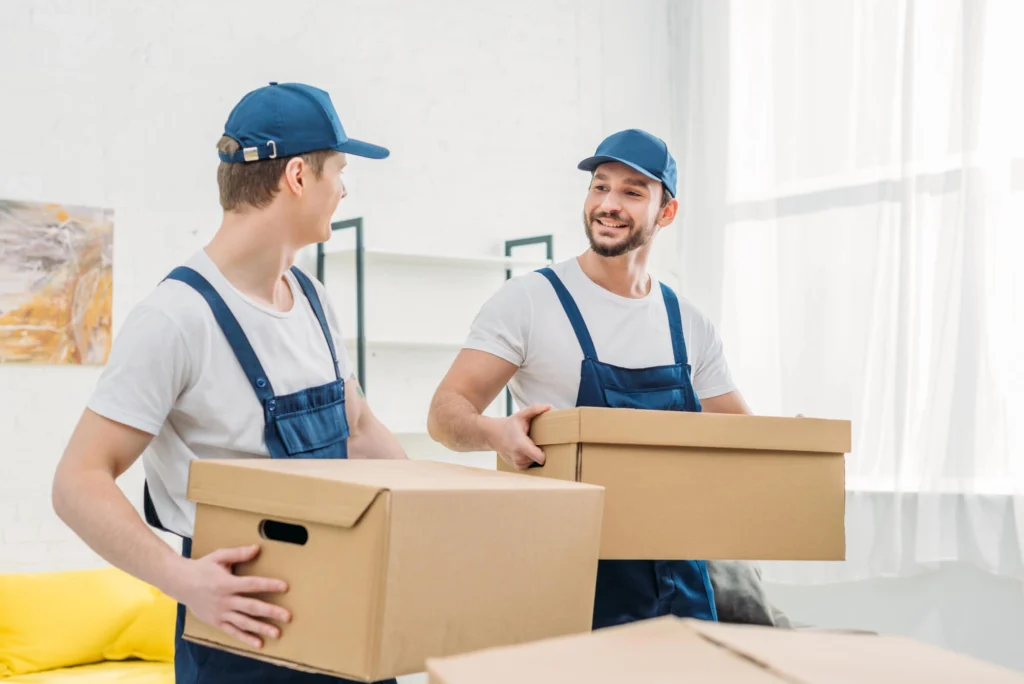
Rely on Professional Everyday Movers for Extra Support
Packing room by room makes moving simpler, but you don’t have to do it all alone. Sometimes the best choice is to bring in experienced help. Professional movers know how to pack efficiently, handle fragile items, and provide expert advice to ensure a safe, smooth move.
If you’re looking for expert assistance and peace of mind during your move, contact Pink Zebra Moving. Our experienced team can help make your packing and moving day stress-free with professionalism and care.