
At first glance, silverware is one of the easiest things to pack. It’s small, sturdy, and already stored together. However, movers in Mobile, Alabama, see it all the time: scratched finishes, bent knives, tarnished heirloom sets, and boxes that mysteriously go missing.
The truth is, silverware often needs extra care when packing—especially if it’s a valuable or sentimental piece. Learn from experienced movers and packers how to avoid damage, loss, or costly replacements.
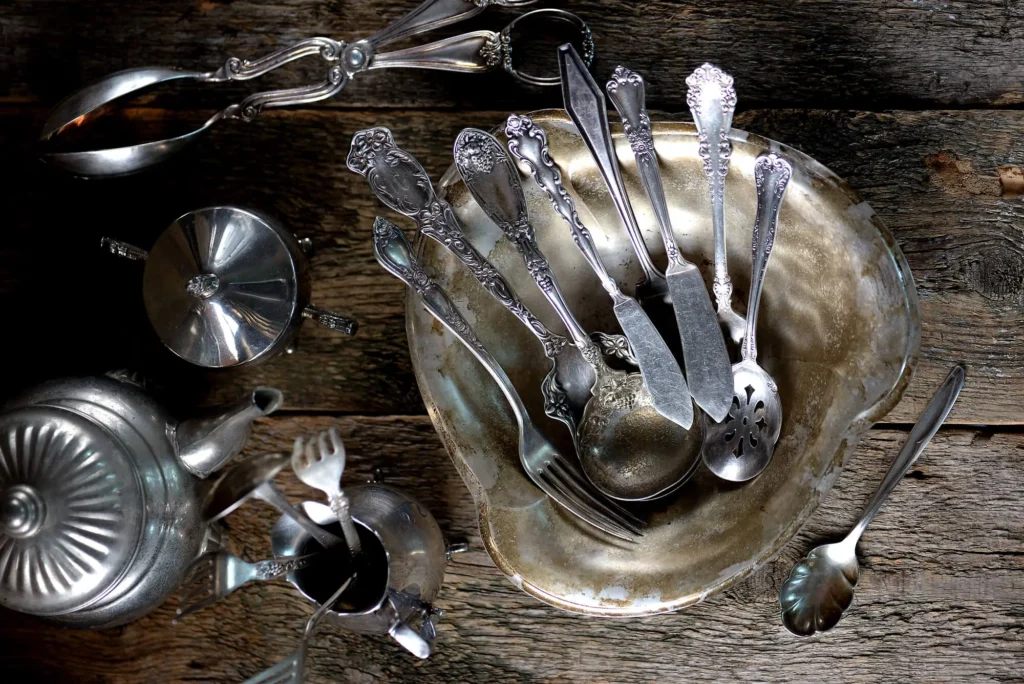
Why Silverware Is More Vulnerable Than You Think
Silverware faces three main risks during a move: scratching, tarnishing, and separation. Every day, stainless-steel utensils can rub against each other during transit, dulling finishes. Fine silver or heirloom flatware is even more sensitive—exposure to air, moisture, and improper wrapping can cause discoloration or corrosion in a matter of days.
Another common issue is that, when silverware is packed loosely, it often ends up spread across multiple boxes, making it easy to lose pieces during unloading or unpacking.
Packing Silverware for a Move: Decide What Level of Protection You Need
Not all silverware requires the same packing approach. Before you grab paper and boxes, sort your flatware into categories: Every day use silverware (stainless steel, replaceable sets)
- High-end or sentimental silverware (sterling silver, family heirlooms)
- Sharp items (knives, carving tools, specialty utensils)
This quick sort helps you decide where extra care is necessary—and where simple protection is enough.
How to Pack Everyday Silverware Safely
For standard utensils, cleanliness and containment matter most. Wash and fully dry everything to prevent moisture damage. Group similar items together (forks with forks, knives with knives), then wrap them tightly in packing paper or paper towels. Avoid plastic wrap, which can trap moisture and cause tarnishing.
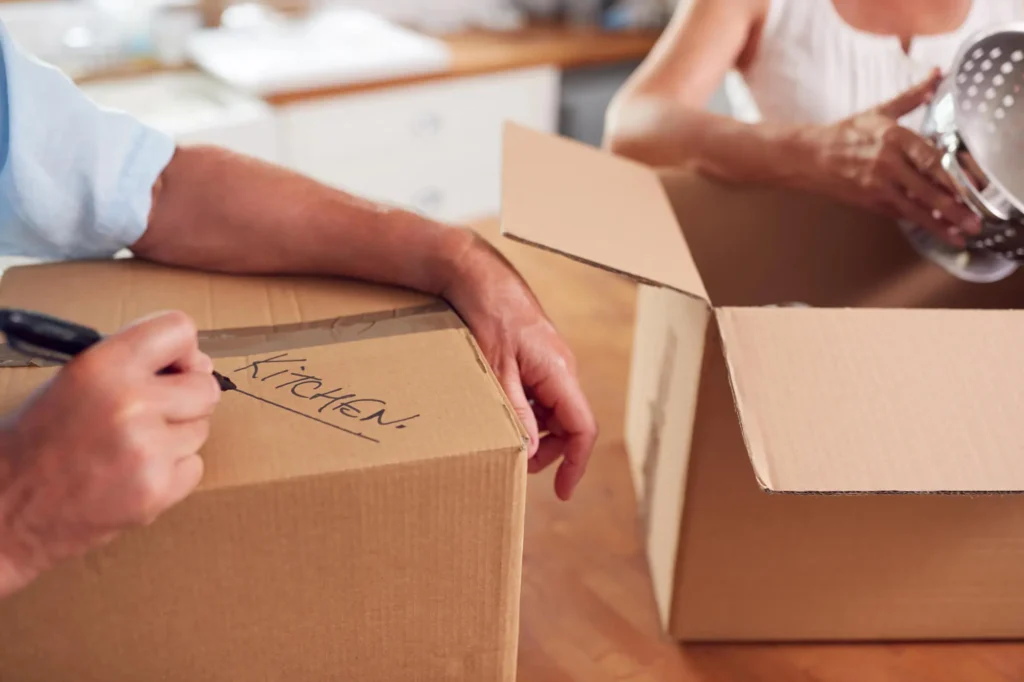
Place wrapped bundles in a small, sturdy box or a divided kitchen box. Fill the space with paper so nothing shifts during transport, and label the box clearly. Movers recommend marking it “Kitchen – Silverware” so it doesn’t get mixed in with miscellaneous items.
Extra Care for Silver and Heirloom Sets
This is where many DIY movers make costly mistakes. Fine silver should never be packed loosely or exposed to air for long periods. Each piece should be wrapped individually in acid-free paper or soft cloth. Anti-tarnish paper or bags add an extra layer of protection, especially for longer moves or storage.
Instead of a large box, use a smaller, reinforced container to limit movement. Clearly label it as fragile and keep it with other high-value items. Many professionals recommend transporting heirloom silverware separately or having it packed by experienced movers for added peace of mind.
Knife Safety: Protect Your Belongings—and Yourself
Knives deserve special attention. Wrap blades in cardboard or thick paper before bundling, and clearly mark the package as “Sharp.” This simple step prevents injuries during unpacking and protects other items from accidental cuts.
Protect Your Silverware with Movers in Mobile, Alabama
Is extra care really necessary for silverware? The answer is yes. While silverware can be easy to underestimate, a little extra care during packing protects finishes, preserves value, and ensures everything arrives together.
Whether you’re handling it yourself or trusting professionals, packing silverware properly is a small step that makes a big difference on moving day. And if you want to be extra sure, moving companies like Pink Zebra also offer professional packing services.
Find a location near you and reach out—experienced movers can save time, stress, and costly mistakes.