
An office move changes more than just an address. The first morning in a new space often brings excitement, curiosity, and a few “wait, where is everything?” moments. Corporate moving companies handle the heavy lifting, but employees notice the small details that make the space feel new.
Some changes are obvious, others are tiny—like a new coffee machine location becoming the talk of the morning. Luckily, these little discoveries can make settling in feel a bit more fun.

The Little Details Employees Spot Right Away
The Coffee Situation
Let’s start with the important stuff: coffee.
Employees notice the coffee station almost immediately. Is it closer to their desk? Is there a better machine? Did someone move the mugs into a completely different cabinet?
A tiny change can create a surprisingly big reaction. The morning coffee routine is sacred territory in many offices, and employees quickly figure out whether the new setup is an upgrade.
The New Desk Neighborhood
Employees don’t just notice their desks. They notice who sits nearby.
A familiar coworker may suddenly be across the room. Someone from another department might become a new desk neighbor. The office social map can change overnight.
That shift can be exciting. New desk neighbors can lead to new conversations, collaborations, and friendships. An office move can quietly reshape how people connect.
The Lighting Feels Different
Nobody expects lighting to become a major topic of conversation. Then someone spends eight hours under a different set of overhead lights.
A room can feel warmer, brighter, darker, or simply different. Employees notice how sunlight enters through windows and where shadows fall throughout the day.
These details can influence how comfortable people feel at their desks. A new space creates a new daily rhythm, and lighting becomes part of it.
The Mysterious Missing Office Supplies
Where did the stapler go?
Nobody knows. It was there yesterday. Now it’s apparently living a new life somewhere on the other side of the building.
Pens, tape, scissors, chargers, and other shared supplies can temporarily disappear during an office move. Boxes get unpacked in different places, cabinets change, and familiar storage systems get a reset.
It may take a few days to rebuild the office supply ecosystem. Until then, the hunt is officially on.
The New Break Room Dynamics
Break rooms have their own personality. Employees quickly notice where people gather, where snacks are stored, and whether there’s enough room for everyone.
A larger break room can become an instant favorite. A smaller one may encourage shorter coffee breaks and more hallway conversations.
Even the refrigerator can become a workplace landmark. Who gets the best shelf? Who brought the mysterious leftovers? The new office may answer questions nobody thought to ask.
The Temperature Debate Begins
Every office has a temperature story.
One employee is freezing. Another thinks it’s perfectly comfortable. Someone else has already brought in a personal fan.
A new building can change everything. Different windows, HVAC zones, insulation, and airflow patterns may create noticeably different conditions.
Employees tend to discover these differences quickly. Finding a comfortable middle ground can become one of the first unofficial team projects in the new office.

The New Soundtrack of the Office
Every workplace has its own background noise. Maybe it’s keyboards clicking, phones ringing, conversations drifting across the room, or the familiar hum of equipment.
A new office changes that soundtrack. Open spaces may sound louder, while private offices can feel unusually quiet. Employees often notice these sounds before they even realize they’re noticing them.
That shift can take some getting used to. It can also reveal how much the old office’s everyday sounds had become part of the workday.
The Strange New Walking Routes
Employees may know the old office like the back of their hand. Then suddenly, the bathroom is somewhere else, the conference room requires a different turn, and the printer has apparently moved to another zip code.
These tiny navigation changes can feel surprisingly strange. People may take the wrong hallway or walk toward the old break room out of pure habit.
Within a few days, the new routes start feeling natural. Until then, getting a cup of coffee can feel like a mini adventure.
The Meeting Room Shuffle
Conference rooms often become an immediate topic of conversation. Which room has the best screen? Which one has the most comfortable chairs? Which one has the door that actually closes properly?
Employees quickly develop favorites. A room with great lighting may become the unofficial presentation headquarters. Another might mysteriously become everyone’s favorite spot for quick conversations.
These little preferences help employees begin making the new office their own.
The Unexpected View
A new office can offer a completely different perspective. Employees may suddenly see a skyline, a parking lot, a tree-lined street, or simply a much better view of the building next door.
Window seats can become highly desirable. People may notice the weather more often or discover a new neighborhood lunch spot during their first few weeks.
A different view can make the workplace feel fresh. Sometimes that’s exactly what a company needs after a big transition.
Frequently Asked Questions
How long does it take employees to adjust to a new office?
Most people begin adapting quickly once they establish new routines. The first few days can feel unusual, but familiarity usually follows.
What should employees bring with them on the first day?
Keep everyday essentials nearby, such as chargers, notebooks, headphones, and anything you use constantly. You don’t want to unpack 12 boxes just to find your favorite pen.
Can an office move affect employee productivity?
It can temporarily disrupt routines, especially while everyone learns the new space. Thoughtful planning and a well-organized move can help reduce that adjustment period.
Should employees help unpack after an office move?
That depends on the company’s plan. Giving employees a simple role can help them feel connected to the new space, but professional movers can handle the heavy lifting and logistics.
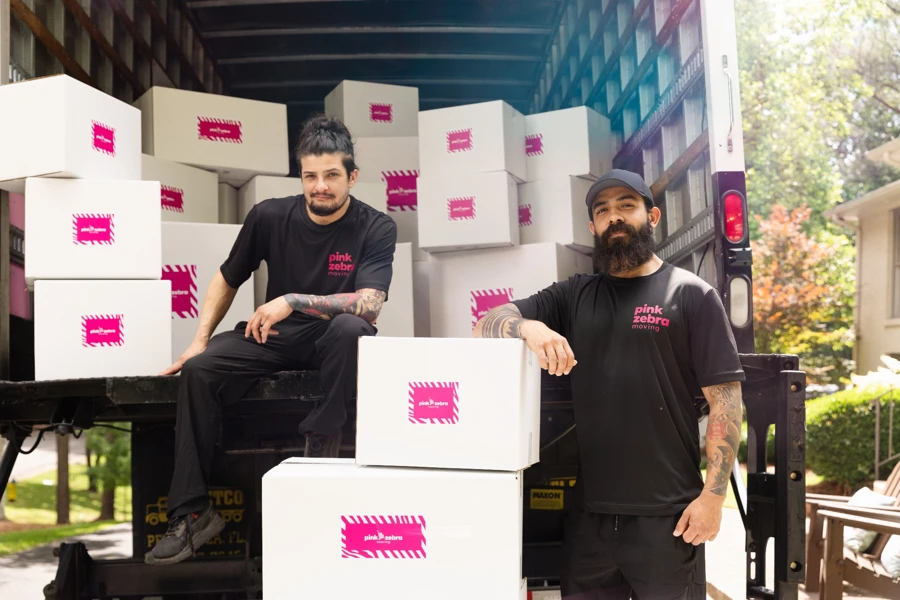
Why Corporate Moving Companies Can Make Office Transitions Easier
An office move changes more than desks and addresses. It creates a new environment, new routines, and plenty of small discoveries along the way. With the right planning and support, it can feel like a fresh start.
At Pink Zebra Moving, we make office moves simple, smooth, and even a little fun. If your business is planning a move, we’d love to help. Contact Pink Zebra Moving today for a free quote!