
Packing while still living in your home can feel like a juggling act. Daily routines continue while boxes begin to appear in every room. Without a plan, the process quickly becomes stressful. With the right strategy—and sometimes the help of professional packing services—the experience becomes far more manageable.
The goal is steady progress without disrupting everyday life. Start with items you rarely use, keep essentials within reach, and pack one space at a time. Small steps add up quickly, and before long, your home will be ready for moving day without turning your routine upside down.

Smart Strategies for Packing While You Still Live at Home
Packing while still living in your house requires flexibility and organization. Instead of rushing to box everything at once, approach the process in phases that allow your household to function normally.
Pack the Least-Used Items First
Begin with belongings that rarely come out of storage. Think seasonal decorations, extra linens, bookshelves, guest room items, or off-season clothing. These items won’t interrupt daily routines once they’re packed.
Closets and storage areas are perfect starting points. You’ll clear space quickly without impacting everyday life. Seeing those first boxes stacked and labeled often boosts motivation.
Create a “Living Zone”
Choose one area of your home to remain unpacked as long as possible. This space becomes the family’s day-to-day hub during the packing process. It may include your kitchen essentials, favorite living room seating, and necessary electronics.
Keeping a designated living zone prevents the feeling of living in a maze of boxes. It also helps children adjust to the transition. Familiar spaces offer comfort when the rest of the house begins to change.
Use Clear Labels for Every Box
Clear labeling makes packing far less stressful. Write the room name, basic contents, and a quick note about priority. For example:
- Kitchen – everyday dishes
- Bedroom – winter clothes
- Office – documents
When boxes arrive at the new home, labeling saves time and confusion. You’ll know exactly where each box belongs.
Pack a “First Night” Essentials Box
Moving day often ends with tired bodies and little energy left for unpacking. A well-prepared essentials box solves that problem.
Include items like:
- Phone chargers
- Basic toiletries
- Medications
- Pajamas
- Snacks
- Paper towels
- A few dishes or utensils
This box should travel with you instead of the moving truck. That way, you can relax at the end of the day without digging through stacks of boxes.
Declutter Before Packing
Packing creates the perfect opportunity to simplify your belongings. As you work through each room, decide what still serves a purpose and what can move on.
Sort items into three categories:
- Keep
- Donate
- Discard
Fewer belongings mean fewer boxes to move and unpack later. Many people find the process surprisingly refreshing.
Pack One Room at a Time
Jumping between rooms leads to confusion. Boxes pile up with mixed contents, and unpacking becomes difficult later.
Focus on one room at a time instead. Finish most of the packing there before moving to the next space. This approach keeps the house organized throughout the transition.
Protect Everyday Items Until the Last Minute
Some items simply need to remain available until moving day. Kitchen tools, toiletries, and daily clothing should stay accessible.
As moving day approaches, pack these items last. The final few boxes should contain the things you rely on every day. This prevents unnecessary frustration during the final week.
Keep Packing Supplies Within Reach
One of the easiest ways to stay productive while packing is to keep supplies nearby. When boxes, tape, and markers are within reach, you can pack a few items whenever you have a spare moment.
Create a small packing station in your home with:
- Boxes in multiple sizes
- Packing tape
- Permanent markers
- Scissors or a box cutter
This simple setup turns small pockets of time into real progress. A few minutes before dinner or while waiting for laundry can become an opportunity to pack another box.
Protect Fragile Items Early
Fragile belongings often require extra care and attention. Glassware, artwork, and decorative pieces deserve thoughtful packing long before moving day arrives.
Wrap delicate items carefully and place them in sturdy boxes with cushioning material. Label those boxes clearly so they are handled with care during the move.
Taking the time to pack fragile items early prevents last-minute stress and protects your most meaningful belongings.
Maintain Daily Routines
Packing can disrupt normal life if it takes over the entire household. Families do better when daily routines stay as consistent as possible.
Try to keep meal times, bedtime routines, and family activities the same. Even small habits help maintain a sense of stability during a busy transition.
Children, pets, and even adults feel more comfortable when life continues to follow familiar rhythms. Packing becomes just another project happening around daily life rather than replacing it entirely.
Use a Countdown Approach
Breaking the packing process into a timeline keeps everything manageable. Instead of packing randomly, assign goals to each week leading up to moving day.
For example:
- Three to four weeks before moving: Start packing storage areas, decorations, and rarely used rooms.
- Two weeks before moving: Focus on closets, bookshelves, and extra household items.
- One week before moving: Pack most of the kitchen, office spaces, and decorative pieces.
- Final days: Pack essential daily items and prepare your essentials box.
This approach spreads the workload across several weeks. Each stage feels manageable instead of overwhelming.
Accept That Some Mess Is Temporary
Packing while living in your home will never look perfectly organized every day. Boxes stack up. Some rooms become halfway packed. Temporary clutter appears. That’s part of the process.
Instead of aiming for perfection, focus on steady progress. Each packed box represents one less task waiting on moving day. Soon, the home will be ready for the next chapter.
A little patience—and a sense of humor—go a long way during a move.
Ask for Help When Needed
Moving is one of life’s busiest transitions. Work schedules, family responsibilities, and everyday commitments rarely pause just because packing begins.
Many households benefit from bringing in extra support when the workload grows. Friends and family can help with sorting or organizing. Others turn to experienced movers who specialize in packing and preparation.
Getting assistance doesn’t mean losing control of the move. It simply makes the process smoother and far less stressful.
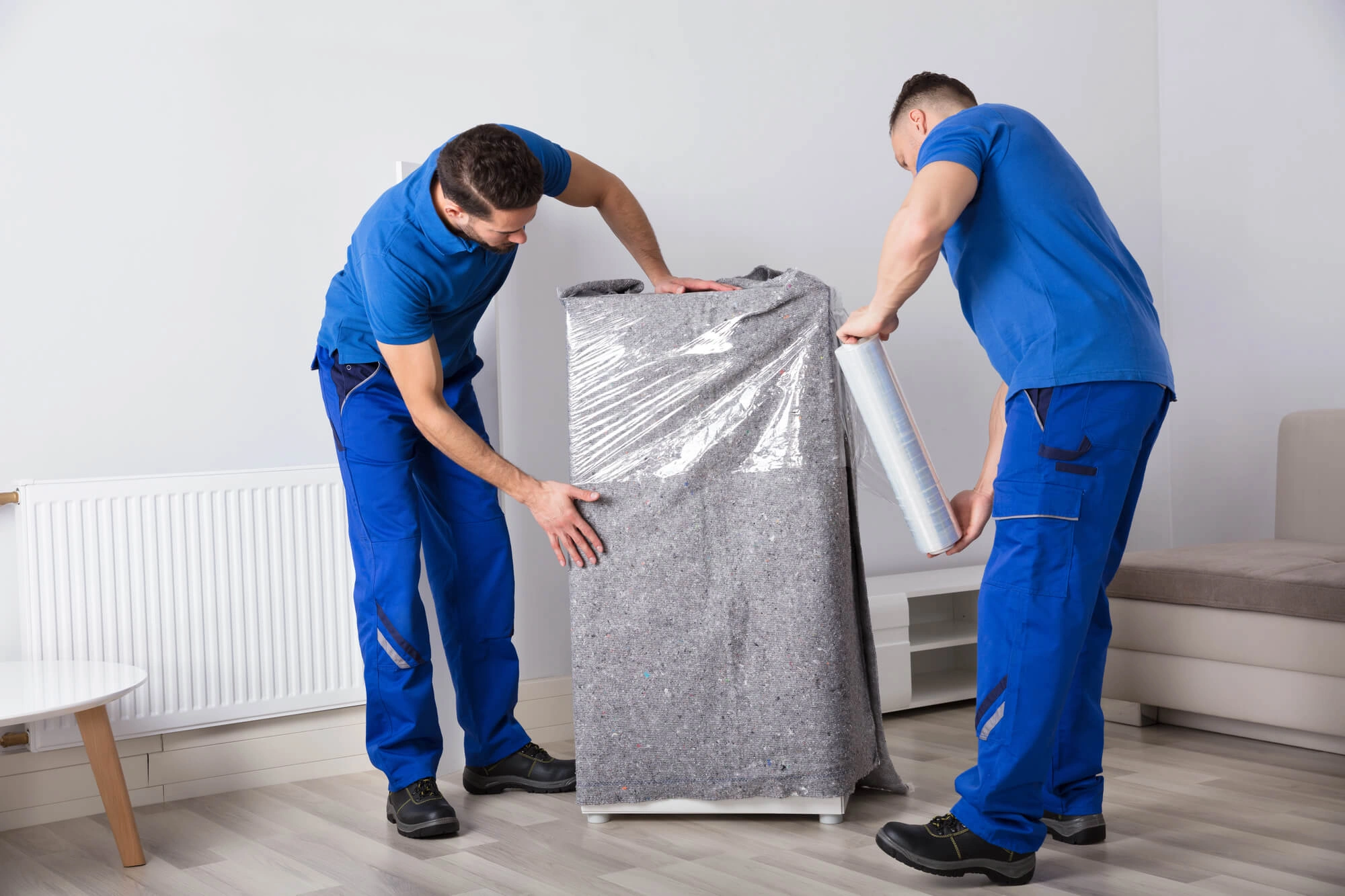
When Professional Packing Services Make the Move Easier
Packing while still living in your home can be challenging. Between daily routines and responsibilities, the process can quickly become overwhelming. That’s where professional packing services can make a real difference.
At Pink Zebra Moving, we handle the packing with care and efficiency, treating every home and belonging with respect. Our team helps simplify the process so you can focus on your next chapter. Contact us today to learn how our professional packing services can make your move easier.