
If you’re planning a move and have a propane tank for your grill, heater, or RV, you might wonder: Can I take it with me? Do I need to dispose of it? Will professional movers in Columbus handle it? These are common questions—and important ones.
Propane tanks are considered hazardous materials and must be handled with care, so most moving companies refuse to transport them. Here’s what you need to know to carry or dispose of your propane tank properly.
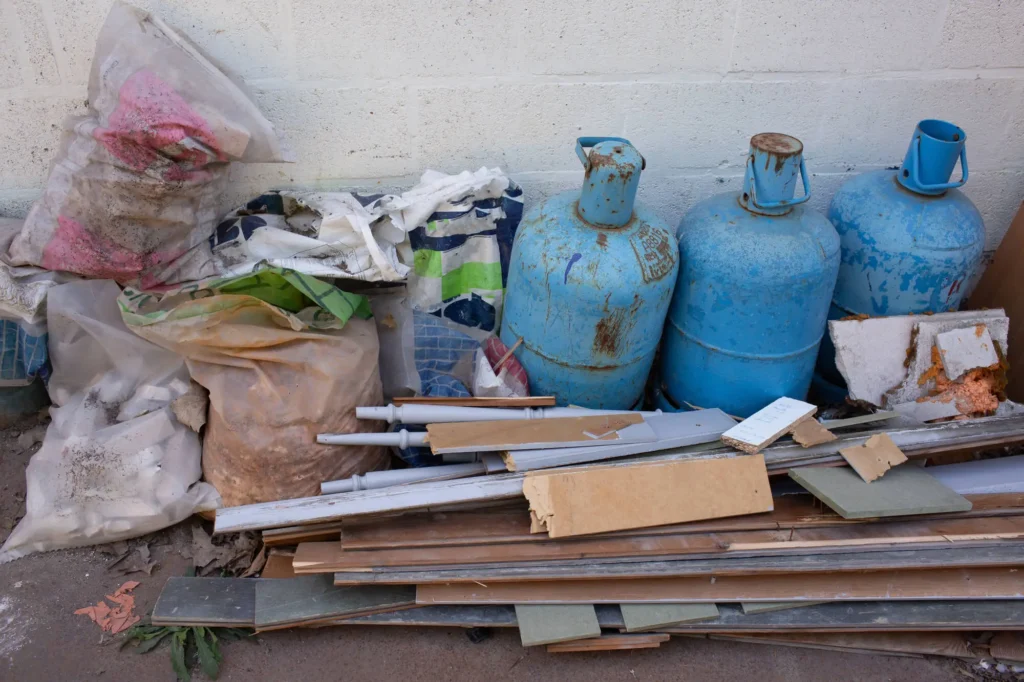
Can Movers Transport Propane Tanks?
No, most professional movers will not move propane tanks.
Propane tanks are pressure-filled containers for liquefied petroleum gas (LPG). They range in size from small 20-pound tanks for barbecue grills to larger tanks for recreational vehicles or heating. Because propane is flammable, these tanks are classified as hazardous materials and must comply with federal transportation regulations.
Even if the tank is empty, it can still hold flammable vapors. Additionally, the tank’s weight influences its transportation regulations. A full 20-pound tank usually weighs about 37 pounds. Larger tanks, such as 30- or 40-pound cylinders, are proportionally heavier.
What can you do if you have a propane tank and plan to hire a moving company?
Option 1: Return the Tank
If your propane tank is leased from a gas supplier, the easiest solution is to return it. Many exchange locations at grocery or hardware stores allow you to drop off the tank in exchange for a credit or deposit refund. To know if that applies, check the label on the tank and see if it’s part of an exchange program.
Option 2: Sell or Give Away the Tank
If you own the tank outright and it’s in good condition, you can sell it locally or give it away via community groups like Facebook Marketplace. Just disclose whether it’s full, partially full, or empty, and always handle it carefully.
Option 3: Dispose of the Tank Properly
Propane tanks cannot be disposed of in regular trash or recycling bins. Instead, contact your local hazardous waste disposal center or fire department for guidance. Some hardware stores also accept old tanks for safe disposal.
Never attempt to puncture, burn, or cut the tank, as this is extremely dangerous.
Option 4: Take the Tank with You—With Caution
If you’re moving yourself and want to bring your propane tank, it must be done safely:
- Always keep the tank in a vertical position during transport.
- Secure it using straps or a box to keep it from tipping over.
- Leave windows open. Ensure ventilation to prevent the buildup of gas if there’s a leak.
- Never leave it in a hot, closed vehicle. Pressure can build up, creating risk.
- Always check local regulations.
If you’re unsure, consult your propane supplier or local waste authority. Most importantly, plan ahead—don’t leave this task for moving day!

Learn About Safety During Relocations from Movers in Columbus
Whether you return, sell, or bring it, knowing what to do with your propane tank before moving is essential for a safe and stress-free transition. At Pink Zebra Moving, we don’t handle propane tanks for safety reasons, so make sure you make the proper arrangements on time.
Do you need help with the rest of your move? Find a location near you and contact us!