
Porcelain items—china sets, figurines, vases, and heirlooms—are some of the most fragile belongings that movers in Grand Rapids, Michigan, relocate. One wrong wrap, an oversized box, or a rushed loading job can lead to cracks, chips, or total breakage.
Nevertheless, there’s no need to panic. Most porcelain damage is preventable when you pack it the way professional movers do.
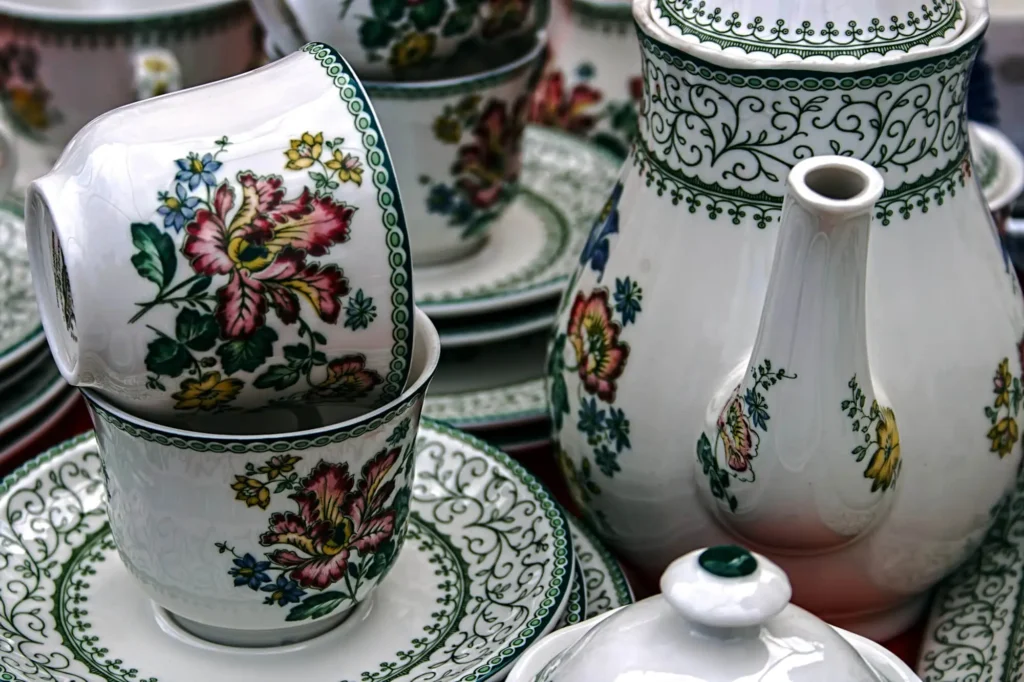
Step-by-Step Guide on How to Pack Porcelain
Step 1: Sort and Prepare Porcelain Before You Pack
Before wrapping anything, separate porcelain by size, shape, and value. Plates go with plates, figurines with figurines, and high-value or sentimental pieces should be set aside for extra protection or professional handling.
Clean and completely dry each item. While it may appear harmless, dust or moisture trapped inside wrapping materials can cause surface scratches or weaken porcelain over long transit times.
We also recommend that you photograph valuable items before packing. This protects you in case of damage and helps with insurance claims.
Step 2: Use the Right Packing Materials (This Matters More Than the Box)
Porcelain breaks not because boxes fail—but because cushioning fails. Avoid newspaper ink and thin packing paper alone. Instead, use:
- Small, sturdy cardboard boxes (never oversized)
- Packing paper and bubble wrap
- Foam sheets or dish sleeves for plates
- Cardboard dividers for sets
- Packing tape (reinforced if possible)
If you’re missing the proper materials, professional moving companies often offer packing supplies. Buying new materials will probably cost less than replacing even one broken porcelain set!
Step 3: Wrap Each Piece Individually—No Shortcuts
Every porcelain item should be wrapped individually. Start with packing paper, then add bubble wrap for pieces with handles, edges, or raised designs. Depending on your item, we recommend:
- Plates: Stack vertically like vinyl records, never flat
- Cups & Figurines: Fill hollow spaces with paper before wrapping
- Lids: Wrap separately from bases
Secure wrapping with tape—but don’t tape directly onto porcelain.
Step 4: Pack Strategically Inside the Box
Line the bottom of the box with crumpled packing paper or foam. Then place the heaviest items at the bottom, the lighter pieces on top, and fill all gaps so nothing shifts.
We recommend shaking the box gently. If anything moves, that’s a sign to add more padding. Lastly, seal the box and label it clearly on all sides: “FRAGILE – PORCELAIN – THIS SIDE UP.”
Step 5: Avoid These Common Porcelain-Packing Mistakes
These are the top reasons porcelain breaks during moves:
- Using large boxes “to fit everything”
- Stacking plates flat
- Mixing porcelain with non-fragile items
- Under-padding space
- Rushing to pack the night before moving day
Professional movers are trained to avoid these mistakes automatically—which is why porcelain damage is far less common with expert packing.
Step 6: Decide When to Use Professional Packers
If you’re moving long-distance, downsizing, or transporting antiques, porcelain is often best packed by professionals. Experienced movers know how to distribute weight, load fragile boxes correctly, and secure them inside the truck—something DIY packing can’t always guarantee.
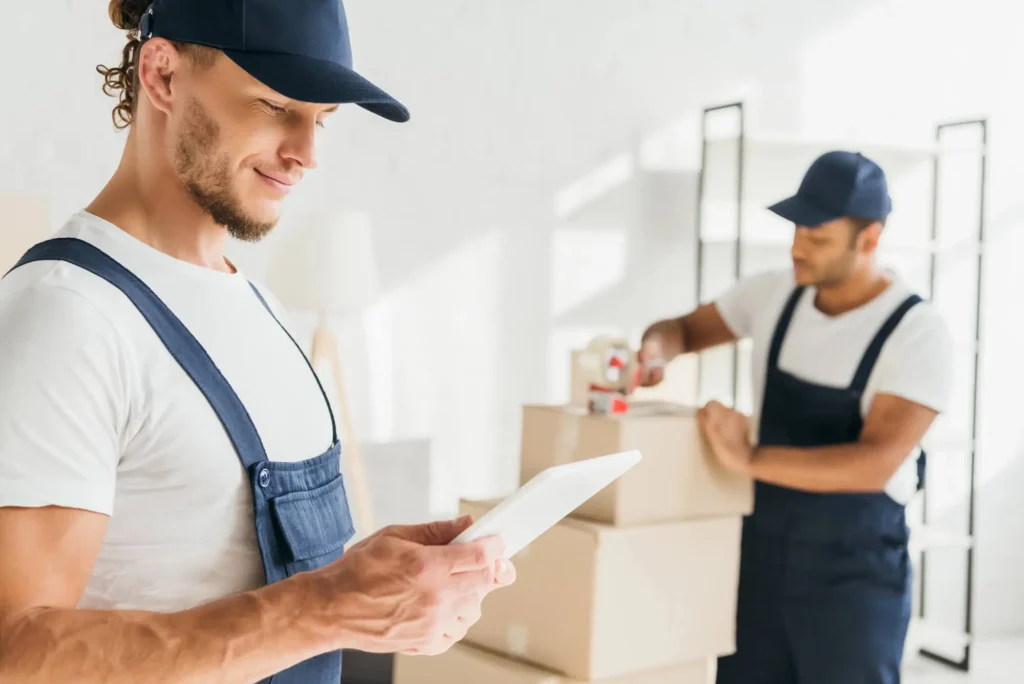
Hire Movers in Grand Rapids, Michigan, and Protect What Can’t Be Replaced
Porcelain isn’t just fragile—it’s often irreplaceable. With the right materials, careful technique, and a little extra time, you can significantly reduce the risk of damage.
And when the stakes are high, Pink Zebra’s experienced movers and packers can save you stress, money, and heartbreak. Find a location near you and reach out—if you want porcelain packed the right way the first time, professional packing services are always worth considering.