
When it’s time to move out of an apartment, it’s not just about packing boxes and getting from Point A to Point B. It’s also about making sure you don’t leave a trail of damage behind. Landlords often charge for dents in drywall, scratched floors, or chipped baseboards—small mistakes that can add up fast.
If you’re working with an apartment moving company or handling the move on your own, knowing how to protect your space is key to saving time, reducing stress, and protecting your security deposit.
Whether you’re navigating tight corners, hauling furniture down stairwells, or just trying to make it through move-out day in one piece, a few simple precautions can make all the difference.
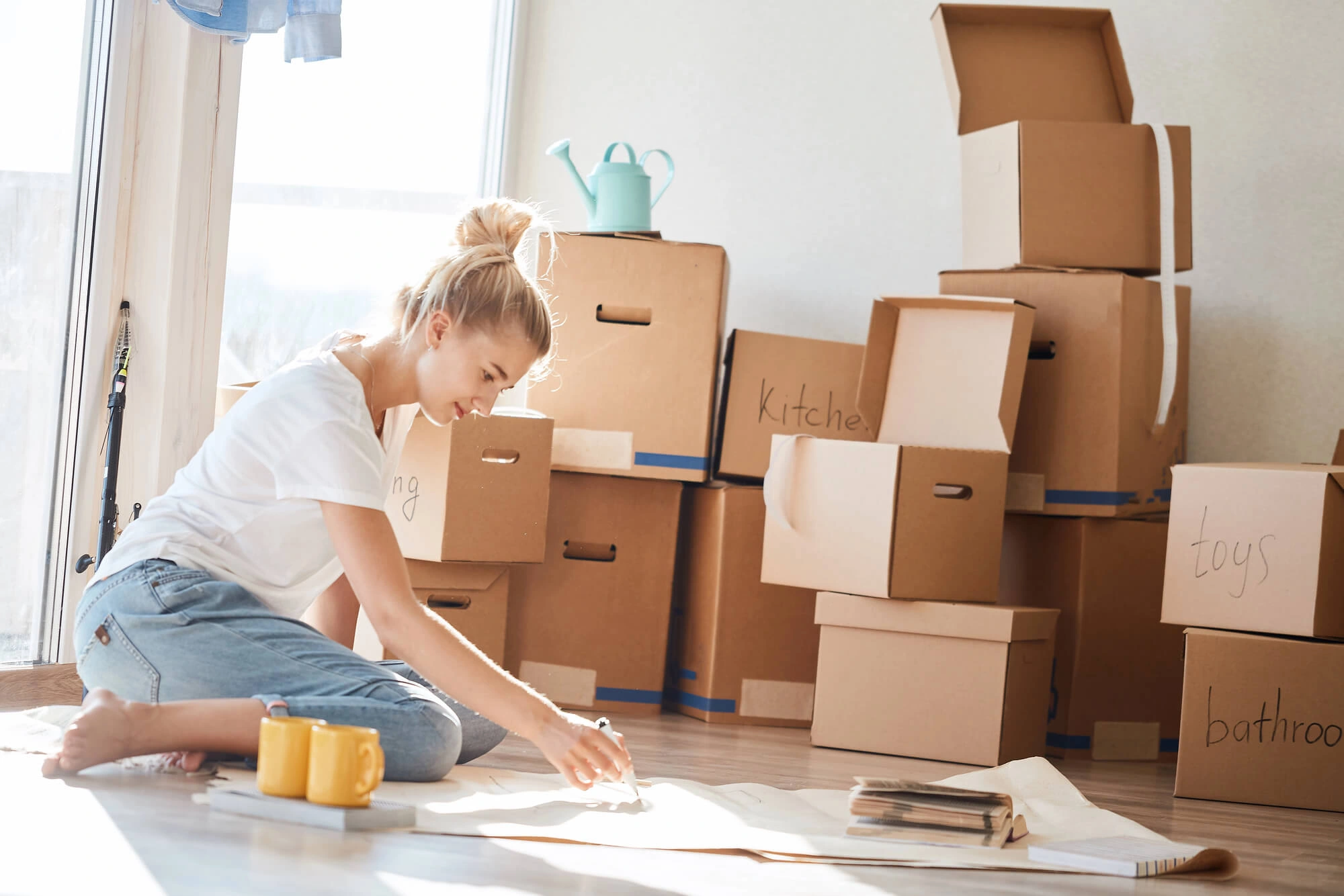
Create a Move Plan That Prioritizes Protection
Before you start wrapping furniture or stacking boxes, take a few minutes to assess your space and identify the areas most likely to get damaged. High-traffic zones, sharp turns, narrow doorways, and flooring changes (like going from carpet to tile) are all hot spots.
Once you know what you’re up against, you can plan ahead with the right tools and materials.
Wrap Furniture and Appliances with Care
Even the best movers slip or misjudge a doorway on occasion. That’s why it’s smart to wrap bulky or heavy items before you attempt to move them—especially if they have hard edges or sharp corners.
- Use blankets or thick pads on dressers, desks, and appliances.
- Secure with stretch wrap or packing tape (but never tape directly onto furniture).
- Bubble wrap fragile edges or glass surfaces for extra cushion.
Wraps don’t just protect your belongings—they act as a buffer between the item and your apartment walls or floors if a bump happens.
Use Floor Protection from the Start
Floors take a beating during any move. There’s the constant traffic, the weight of boxes, and the potential for dropped objects. Protecting your floors should happen before the first item moves.
- Use temporary floor runners, cardboard, or furniture blankets in high-traffic zones.
- Avoid dragging items—especially on hardwood or tile.
- Consider shoe covers or a no-shoes rule for carpeted areas to keep things clean.
For stairs, non-slip treads can add grip and reduce the risk of injury or damage during carrying.
Mind the Corners and Door Frames
Corners are easy to ding, and door frames often bear the brunt of wide or awkward items. You can avoid unnecessary damage with a few simple tools.
- Corner guards made of foam or plastic are inexpensive and effective.
- Blankets or towels taped securely around tight corners can serve the same purpose.
- Door frame protectors are available online or at moving supply stores and can save you from drywall cracks or paint chips.
This step is especially helpful when moving items like headboards, mattresses, or bookshelves that have unusual heights or dimensions.
Take Apart What You Can
The less bulky your items, the less likely you are to damage something—or someone—on the way out.
- Disassemble bed frames, tables, and bookshelves when possible.
- Remove drawers from dressers before moving them to lighten the load.
- Detach legs from sofas or chairs if they make it harder to fit through the door.
Smaller components are easier to carry and far less likely to bump into something.
Know Your Building’s Rules (and Layout)
Many apartments have specific rules about moving day: loading dock access, elevator
reservations, or even floor protection requirements. Knowing these rules can keep you compliant—and protect common areas you might be responsible for.
- Schedule service elevators if needed.
- Measure doorways and stairwells to avoid last-minute surprises.
- Check with management about any required move-out procedures or damage fees.
If you’re moving from a walk-up or older building, it’s even more important to know what tight turns or angles you’ll encounter.
Load Smart, Unload Smarter
Packing your moving vehicle in the right order makes unloading more efficient and reduces the number of back-and-forth trips, which means less wear and tear on your old and new spaces.
- Load heavy items first, lighter boxes last.
- Keep essentials and fragile items within easy reach.
- Plan ahead for the unloading order so you’re not moving boxes over and over inside your apartment.
Fewer trips through tight spaces means fewer chances for a bump or scratch.
Stay Organized to Reduce Accidental Damage
A disorganized move is more likely to lead to scuffed floors, damaged walls, and general chaos. When boxes block pathways or furniture is scattered throughout the apartment, tight turns and awkward angles become unavoidable.
- Designate one area for packed boxes and another for large furniture.
- Label each box clearly so no one has to stop mid-carry to ask where it belongs.
- Keep hallways, stairwells, and entry points clear to avoid accidental collisions.
- Arrange items in the order you plan to move them—heaviest to lightest.
Streamlining the space makes your move safer, smoother, and easier to control.
Ask for Help (Or Professional Muscle)
Let’s face it—stress and exhaustion are the two biggest contributors to accidental damage. If you’re trying to lift a sectional with one friend and a prayer, there’s a good chance it’s going to hit a wall.
- Use lifting straps to distribute weight and give more control.
- Recruit friends or family to spot and guide heavy items.
- Hire professional movers if your move involves multiple floors, complex furniture, or a tight timeline.
An extra set of hands is often cheaper than a drywall repair.
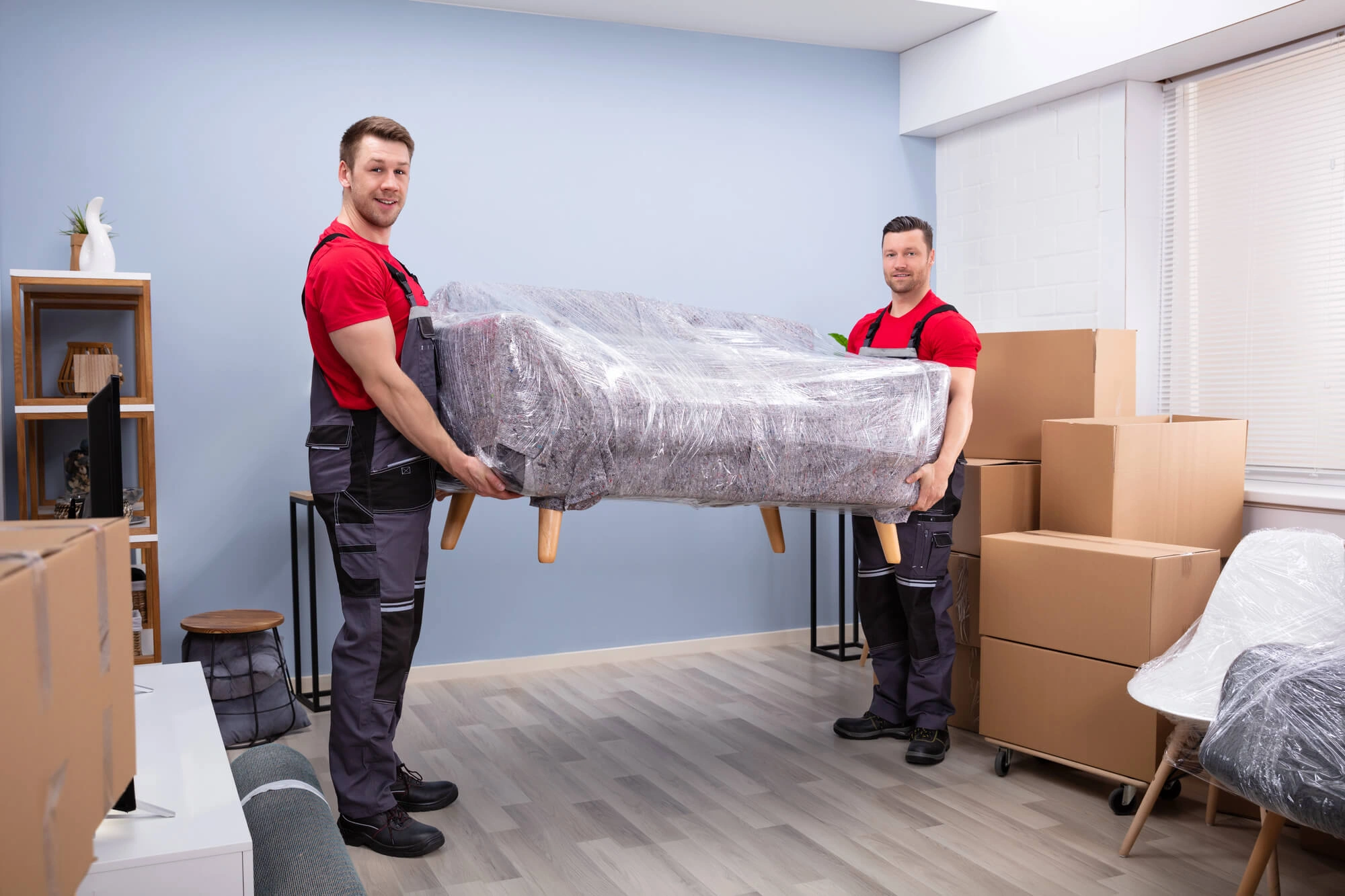
Why an Apartment Moving Company Can Make All the Difference
At Pink Zebra Moving, we’ve built our entire process around creating a better moving experience—one that leaves you feeling relieved, not regretful. We’re trained to spot trouble areas before the first box is lifted and equipped to keep your space damage-free. From padding the stair rail to protecting your newly waxed floors, we sweat the small stuff so you don’t have to.
If you’re planning your next move and want it done with care, efficiency, and professionalism, reach out to us. We’d love to show you how moving can actually feel good—maybe even fun.
Let’s make your move a story worth sharing. Request your quote today and discover what a better moving day looks like.