
It’s moving day, the truck is ready, and your beautiful sofa is finally at the front door. Then comes the moment nobody planned for: it does not fit. This is where loading and unloading services can be a lifesaver, especially when a bulky piece decides to turn your doorway into its personal obstacle course. Don’t panic. A tight doorway does not automatically mean your furniture is staying outside.
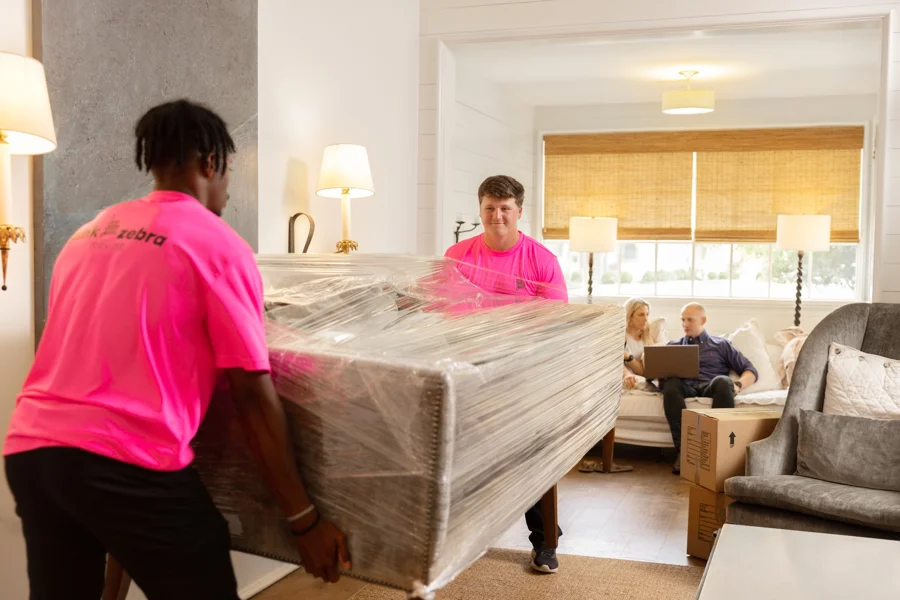
When Furniture Meets an Uncooperative Doorway
First, Take a Breather
The first instinct is usually to push harder. That rarely helps.
Furniture can become surprisingly stubborn when the angle is wrong. More muscle can mean more scratches, strained backs, or damage to the door frame.
Take a moment and look at the situation. A few minutes of planning can save hours of frustration.
Measure Before You Muscle
Grab a tape measure before anyone starts lifting again. Measure the furniture at its widest, tallest, and deepest points. Then measure the doorway, including the frame and available clearance.
Don’t forget the hallway leading to the door. A sofa might technically fit through the entrance but still have nowhere to turn once it gets inside.
Measurements turn a frustrating guessing game into a solvable puzzle. And honestly, moving day has enough surprises already.
Try a Different Angle
Sometimes the furniture isn’t too big. It’s just approaching the doorway the wrong way.
Large sofas, tables, and mattresses may fit when tilted, rotated, or carried vertically. Experienced movers know that changing the angle can create several extra inches of clearance.
This is where teamwork matters. One person can guide the top while another controls the base. A coordinated approach keeps the furniture moving without turning the doorway into a wrestling match.
Check for Removable Parts
That giant piece of furniture may not actually be one giant piece.
Door handles, legs, shelves, cushions, and other removable components can create valuable extra space. Taking off a few inches here and there can completely change the situation.
Check the furniture carefully before reaching for tools. Some pieces are designed for disassembly, while others are better left intact. Knowing the difference can prevent accidental damage.
Look Beyond the Front Door
The front entrance isn’t always the best route.
A patio door, garage entrance, side door, or larger opening may provide a much easier path. Walk around the property and look for alternate access points before deciding the furniture is impossible to move.
This is especially helpful for oversized pieces. Sometimes the easiest solution is simply a different door.
Don’t Forget the Door Itself
The door may be part of the problem.
A door that swings inward can reduce available clearance. Temporarily removing it may provide enough room for a large piece to pass through.
Door removal should be handled carefully. Hinges, hardware, frames, and surrounding surfaces can be damaged when rushed.
Protect the Doorway and Furniture
Tight spaces create more opportunities for accidental bumps. Protecting the furniture and surrounding surfaces can help prevent scratches, dents, and scuffs.
Moving blankets, padding, and corner protection provide an extra layer of security. Floor coverings can also help protect flooring when bulky furniture needs to be rotated or repositioned.
The goal isn’t just getting the furniture inside. It’s getting it inside without leaving a trail of battle scars.
When the Furniture Still Refuses to Cooperate
Sometimes you measure everything, try every angle, and the furniture still says, “Absolutely not.” That’s when it’s time to stop forcing the issue. Repeated attempts can damage the furniture, walls, floors, or doorway. A stubborn sofa is not worth a trip to the hardware store for repairs.

Consider Professional Disassembly
Some furniture can be safely taken apart when other options run out. Bed frames, dining tables, sectionals, desks, and some shelving units often have removable parts. Breaking a large piece into smaller sections can suddenly make a tight doorway manageable.
The key is knowing what should come apart and what shouldn’t. Experienced movers can spot connection points, use the right tools, and keep track of hardware so reassembly doesn’t turn into a missing-parts mystery.
What About Windows or Balconies?
In rare cases, a window or balcony may be considered, but moving oversized furniture this way is not a DIY task due to serious safety risks and the need for specialized equipment.
If this seems like the only option, professional movers can evaluate safety and feasibility and often suggest a safer alternative. Sometimes the best move is knowing when to abandon the idea.
What If Nothing Works?
Occasionally, a piece simply won’t fit through the available access points. That doesn’t always mean it’s destined for the curb—professional movers may find another entry route, suggest partial disassembly, or offer a specialized solution.
If not, the item may need to be returned, modified, or replaced. It’s frustrating, but knowing your options helps you decide clearly and avoid injury or costly property damage.
Plan for the New Home Before Moving Day
The easiest furniture problem to solve is the one you prevent. Measure large furniture before moving day and compare those dimensions with every doorway, hallway, elevator, and staircase along the route.
Don’t forget the new home’s layout—something may fit through the door but still not work inside the room. Planning ahead helps ensure a smooth arrival.
Frequently Asked Questions
What should I do if my couch won’t fit through the door?
Stop pushing and measure both the couch and doorway. Try a different angle or check whether the legs or other components can be removed safely.
Can movers take furniture apart to get it through a doorway?
Many furniture pieces can be partially disassembled. A professional mover can determine whether disassembly is appropriate and handle the process carefully.
Should I remove my front door?
Sometimes removing a door can create additional clearance. It’s best to have someone experienced handle the hardware and determine whether removal is actually necessary.
Can movers bring furniture through a window?
It depends on the property and the item. Elevated furniture moves require specialized equipment and professional planning, so they should never be attempted casually.
Loading and Unloading Services Can Save the Day
A piece of furniture that won’t fit through the front door can quickly turn a simple move into a challenge. With the right planning and help, it doesn’t have to be stressful.
At Pink Zebra Moving, we handle tricky doorways and oversized furniture all the time. We bring the tools, experience, and positive attitude to get the job done right. Contact us today for a free quote and let’s make your move easy.