
Moving with plants adds a layer of challenge you don’t face with furniture or boxes. Plants react quickly to changes in temperature, light, movement, and other environmental factors, making the task of transporting them a delicate one. Even the best pickup and delivery services require special coordination when handling houseplants.
To keep your greenery thriving, you’ll want to prepare them properly, protect them from stress, and plan their move with care. With a little strategy, your plants will settle into your new home as comfortably as you do.
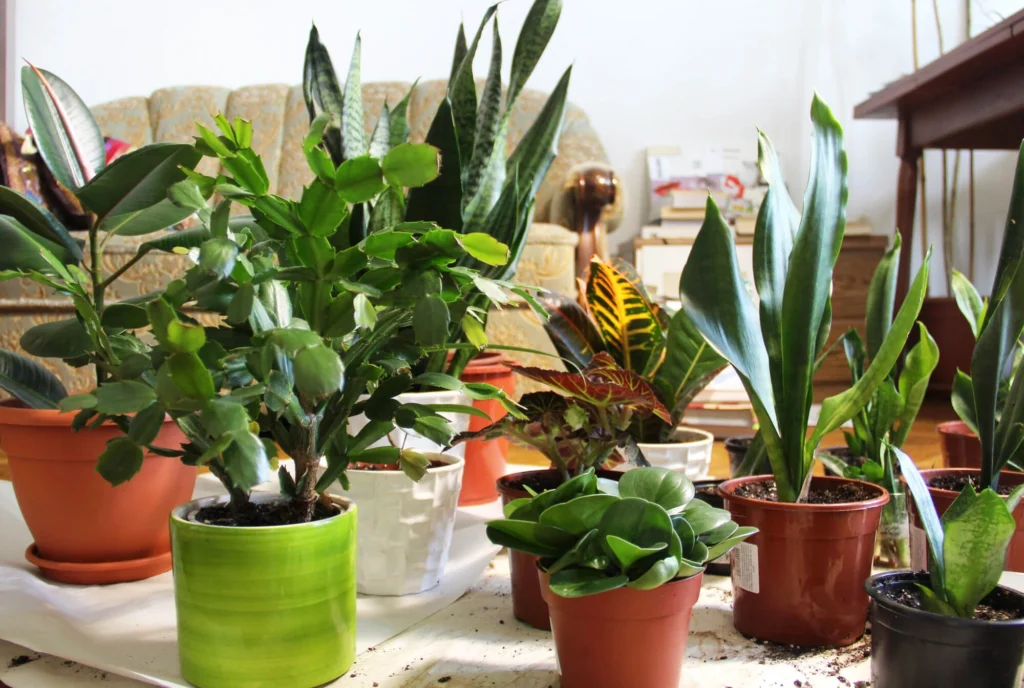
Preparing Your Plants for Moving Day
1. Start With a Quick Health Check
Healthy plants travel better. Look for pests, weak stems, broken leaves, or overly damp soil. If anything seems off, address it a few days before the move. Remove dead leaves, trim leggy growth, and gently wash dusty foliage. This refresh helps plants better handle travel stress. Healthy roots and leaves mean stronger resilience throughout the move.
2. Repot in Lighter, Travel-Friendly Containers
If your plants live in heavy ceramic or clay pots, consider repotting them into lightweight plastic containers at least two weeks before the move. Ceramic pots are prone to cracking during transportation, especially on bumpy roads. Lightweight containers reduce weight and offer better flexibility. The two-week buffer gives your plants time to recover from transplant shock before moving day.
3. Water Them Wisely
Many people overwater plants right before a move, thinking they won’t get attention for a day or two. Yet wet soil makes pots heavier, increases mess, and heightens the risk of root damage. Instead, water your plants lightly one or two days before the move. Aim for slightly moist soil—not too wet, not too dry. Plants transport best when the soil stays stable and compact.
Protecting Plants During Transport
1. Keep Plants in Climate-Friendly Conditions
Plants dislike extreme temperatures. During hot summer moves, cars and moving trucks heat up quickly. In winter, freezing drafts can shock or kill fragile plants. Keep plants in climate-controlled spaces whenever possible. If you transport them in your car, use sunshades for protection and avoid leaving them in an unattended vehicle. Heat and cold both cause stress that plants struggle to recover from.
2. Pack Plants Upright and Securely
Plants topple easily if not stabilized. Place them in open boxes or crates that are deep enough to keep the pots steady. Fill any extra space with newspaper, packing paper, or towels to limit shifting. Avoid closing the tops of boxes—plants need airflow and access to light. If you stack multiple plants, place taller ones on the floor and smaller ones on top of boxes or seats. Keeping plants upright ensures leaves and stems don’t snap during transport.
3. Give Each Plant Room to Breathe
Crowded plants damage each other. Avoid stacking them tightly or letting leaves press against surfaces. Cushion pots so they stay separated. For prickly or fragile species, use cardboard dividers or wrap leaves loosely with paper cones. Plants breathe through their leaves, so a little spacing goes a long way in reducing travel stress.
Helping Plants Adjust After the Move
1. Unpack Plants as Soon as Possible
Plants need stability, so unpack them as soon as possible after arrival. Leaving them boxed too long increases stress due to a lack of airflow and inconsistent light. Remove any packing materials, check for broken stems, and gently shake off loose soil. Even if a plant looks droopy, prompt unpacking helps it recover faster.
2. Place Them in Familiar Conditions
Try to mimic their previous environment during the first few days. Match the level of sunlight they received in your old home. Sudden exposure to intense light or deep shade shocks plants. Avoid placing them near vents or drafty windows. Gradual acclimation eases the transition and keeps leaves from yellowing or dropping.
3. Resume a Normal Watering Routine
Your plants may look thirsty after a move, yet resist the urge to overwater. Give them a day to settle, then water lightly if the soil is dry. Excessive moisture can lead to root rot, especially when plants are still adjusting to their new environment. Maintaining your regular watering rhythm helps restore their natural balance.
Special Considerations for Large or Delicate Plants
1. Move Tall Plants With Extra Care
Tall plants, such as fiddle-leaf figs or palms, require careful handling. If branches are at risk of bending or breaking, wrap them gently with soft ties or fabric strips to keep them upright. Avoid placing these plants horizontally—they bruise easily and suffer structural damage that’s slow to heal.
2. Handle Delicate Species Separately
Orchids, succulents, bonsai trees, and tropical varieties require unique care. Some need stable humidity, while others can’t withstand too much jostling. Keep sensitive plants separate from heavier pots. When necessary, transport them in your personal vehicle for better temperature control and gentler handling.
3. Prepare for Soil Movement
Soil shifts during transport. To minimize spillage, stretch plastic wrap or fabric across the top of each pot, leaving room for stems. This keeps soil contained without suffocating the plant. For hanging plants, remove them from their hooks and place them in lined baskets or boxes to keep the soil in place.
When to Consider Professional Assistance
1. If You Have a Large Plant Collection
A large indoor garden can become overwhelming to move alone. Plants vary in needs—some require shade, others warmth, others rigid support. Professional teams can help bundle, brace, and transport plants efficiently while reducing damage.
2. If Your Plants Are Expensive or Sentimental
Rare or sentimental plants deserve extra attention. Expert handling reduces risk and ensures your most cherished greenery arrives safely. Paying for help protects both financial and emotional investments.
3. If You’re Moving During Temperature Extremes
Summer heat and winter cold endanger plants faster than most people realize. Professionals understand how to manage plants in extreme conditions, limiting exposure and creating protective barriers.

Why Support From Pickup and Delivery Services Helps Keep Plants Alive
Even with strong preparation, transporting plants presents numerous challenges, including temperature fluctuations, movement, fragile stems, and unpredictable road conditions.
Skilled pickup and delivery services understand these risks and know how to handle plants with gentle care, ensuring stability and proper protection. They help reduce stress on both you and your greenery, making your transition into your new home smoother and healthier for your plants.
If you want extra support ensuring your plants arrive safe, healthy, and ready to thrive, reach out to Pink Zebra Moving. Our team brings care, attention, and reliable service to every move, giving your plants the best start in their new space.